





Photo Courtesy of Bernard Marr
By the year 2050, the concept of “driving” will be a relic of the past. The automotive industry is currently undergoing its most significant transformation since the invention of the internal combustion engine. In thirty years, personal cars will no longer be mere tools for transport; they will be fully autonomous, zero-emission mobile living spaces integrated into the neural network of smart cities.
Photographer: David Paul Morris/Bloomberg
1. The Role of AI: The Brain Behind the Wheel
In 2050, Artificial Intelligence (AI) isn’t just a feature—it’s the driver, the mechanic, and the concierge.
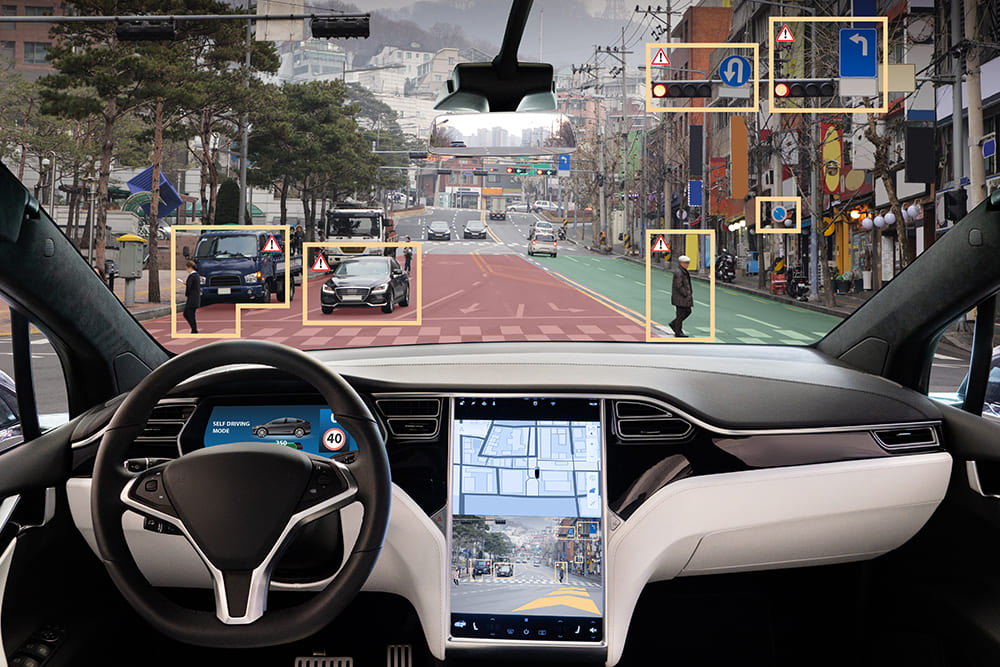
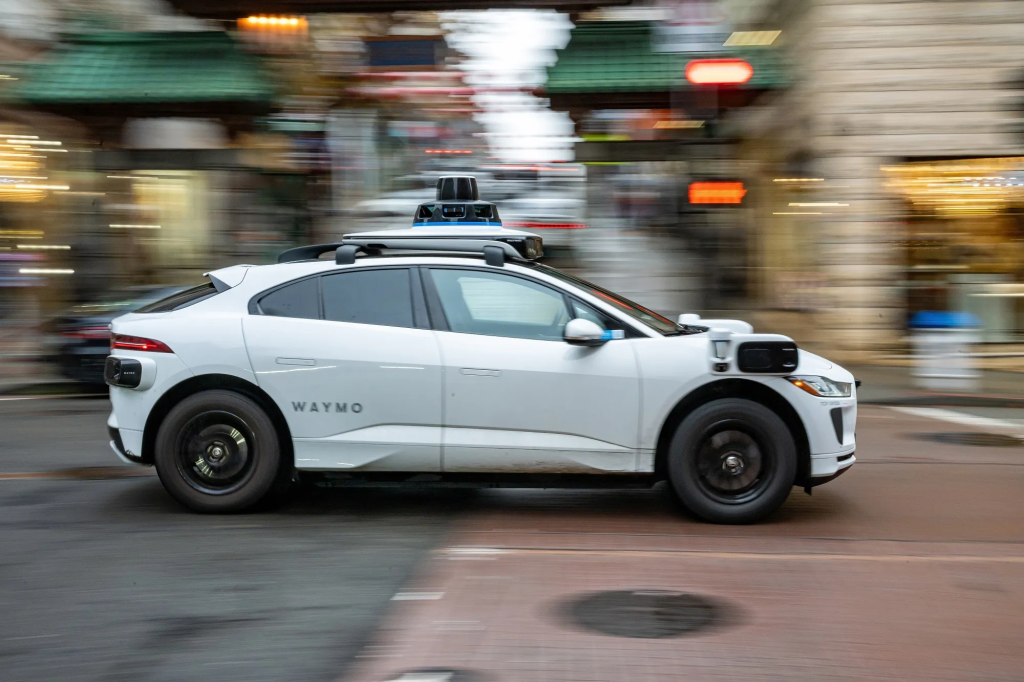
* Level 5 Autonomy: AI systems will handle 100% of driving tasks in all conditions. Human error, which currently accounts for over 90% of accidents, will be virtually eliminated.
* Predictive Maintenance: Forget breakdown anxiety. AI will use biometric and mechanical sensors to predict parts failure before it happens, autonomously scheduling a service appointment at a robotic hub while you sleep.
* V2X Communication: AI will enable Vehicle-to-Everything (V2X) communication. Your car will “talk” to traffic lights, smart pavement, and other vehicles to optimize traffic flow, effectively ending gridlock.
* Personalized Experience: Using emotion recognition and biometrics, the AI will adjust the cabin’s lighting, temperature, and even the “driving style” (sporty vs. relaxed) based on your mood.
2. What to Expect from Manufacturers
The relationship between consumers and car brands will shift from “ownership” to “experience.”
From Sellers to Service Providers
Manufacturers like Tesla, Rivian, and Volvo are already pivoting toward software. By 2050, expect manufacturers to operate like tech giants. You might not “buy” a car; you might subscribe to a mobility tier that gives you access to a fleet of autonomous vehicles.
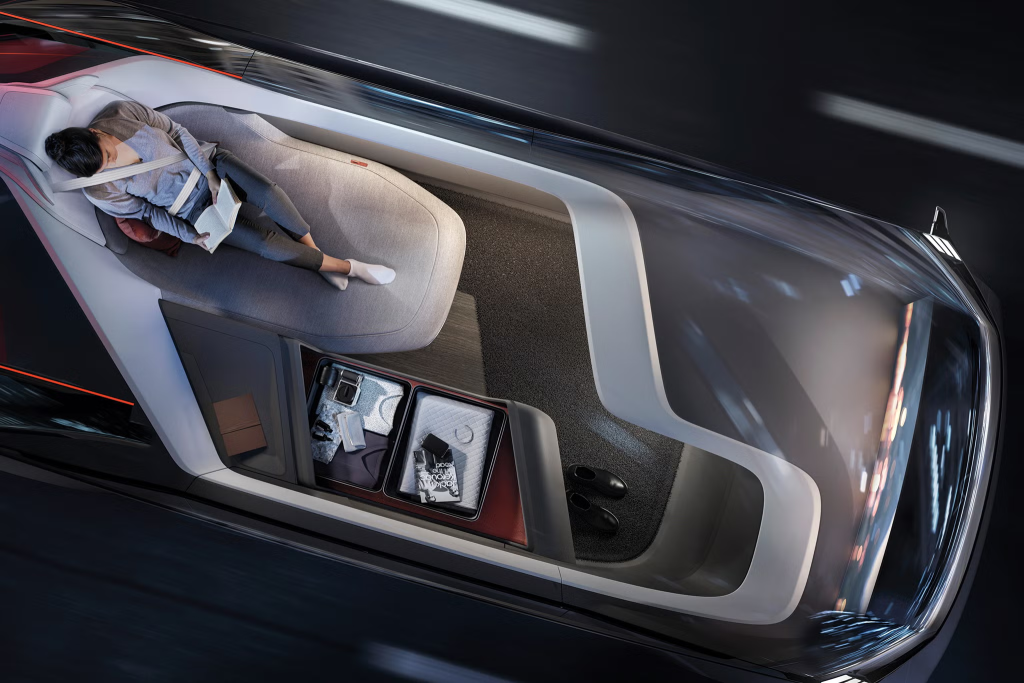
Photo Courtesy of Motor Trend Magazine
The “Third Living Space”
With no steering wheel or pedals, the interior of the car will be revolutionized. Manufacturers will focus on:
* Modular Cabins: Swapping seats for beds, desks, or entertainment lounges.
* Sustainable Materials: Cars will be made from 100% recyclable, plant-based composites and circular-economy metals.
* Energy Hubs: Your car won’t just consume energy; it will store it. Using Vehicle-to-Grid (V2G) technology, your car can power your home during peak hours.
3. The Future of Pricing and Technology
While the initial cost of Level 5 technology is currently high, the long-term trend points toward affordability through efficiency.
Why will it be cheaper?
* Lower Operating Costs: Electric drivetrains have fewer moving parts than gas engines, leading to a 40% reduction in maintenance costs.
* Shared Mobility: The rise of Robotaxis and “Car-as-a-Service” (CaaS) models will allow users to pay only for the distance traveled, removing the burden of insurance, registration, and depreciation.
* Solid-State Batteries: By 2050, solid-state technology will likely be the standard, offering double the range of current EVs at a fraction of the weight and cost.
4. Integration into Smart Cities
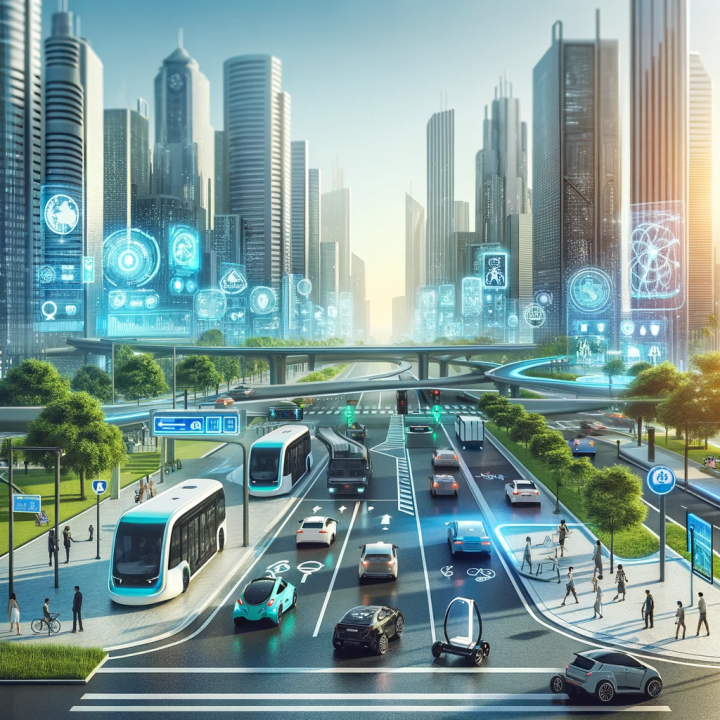
In 2050, the “Smart City” and the “Autonomous Car” are two halves of the same whole.
* Dynamic Charging: Roads will be embedded with wireless charging coils, recharging your car as it moves, eliminating “range anxiety” forever.
* Repurposed Infrastructure: As cars no longer need to be parked in city centers, massive parking garages will be converted into parks, housing, and urban farms.
* Traffic Synchronization: Autonomous fleets will move in “platoons”—tightly packed groups that travel at high speeds with inches of space between them—increasing road capacity by up to 800%.
“The car of 2050 is no longer a vehicle; it is a mobile node in a global digital ecosystem.”
MUST READS
The Steps In Starting A Business In Miami Starts With A Lawyer

Viorica Bruni Content Creator Collective Audience Media