





As of January 2026, the United States is grappling with one of the most severe influenza seasons in decades. While the term “pandemic” is typically reserved by the WHO for global novel virus outbreaks, several states have declared public health emergencies or “prevalent influenza” status to manage the surge.

The primary culprit is a mutated strain known as Influenza A (H3N2) subclade K. This variant is particularly aggressive because it has evolved to “evade” the current 2025–2026 flu vaccine, leading to record-breaking hospitalization rates across the country.

🏥 What Doctors and Hospitals Are Reporting
The medical community is currently in a state of high alert. As of the first week of January 2026:
* Capacity Limits: Hospitals in 44 states are reporting “high” or “very high” activity. States like New York have reached their highest single-week hospitalization rates in recorded history.
* The Vaccine Mismatch: Doctors have confirmed that over 90% of circulating H3N2 viruses belong to the new subclade K. Because the virus underwent “antigenic drift” after the vaccine was finalized, the shot is less effective than usual, though it still helps prevent the most severe outcomes.
* Pediatric Warning: Pediatricians are issuing urgent warnings as emergency room visits for children have surpassed the peaks of the 2024-2025 season.

🦠 The Role of COVID-19 in 2026
While the flu is the dominant headline, COVID-19 remains a persistent factor. Here is how they are intersecting:
* Low COVID, High Flu: Currently, COVID-19 levels are relatively low nationally compared to the flu. However, the CDC warns that if a new COVID-19 variant with “immune-escape” properties emerges later this winter, the healthcare system could face a “twin-peak” crisis.
* Diagnostic Confusion: Because symptoms (fever, cough, body aches) are nearly identical, hospitals are relying on multi-pathogen testing panels to distinguish between the two.
* Vaccine Fatigue: Public health officials are concerned that “vaccine fatigue” from previous COVID-19 boosters is contributing to lower flu shot uptake, leaving the population vulnerable to this year’s aggressive H3N2 strain.

📅 What to Expect for the Rest of 2026
Flu seasons typically peak in January or February. Because of the subclade K mutation, experts expect:
* Extended Surge: The season may last longer into the spring than usual.
* High Mortality: With 7,400 deaths already reported by the first week of January, 2026 is on track to be one of the deadliest years for influenza in this century.
* New Antivirals: A new antiviral drug, CD388, is currently in Phase 3 testing and has received FDA Breakthrough Therapy Designation. While it may not be widely available this month, it represents the next generation of defense.

🛡️ Action Plan for Citizens: What You Should Do
Despite the vaccine mismatch, health officials emphasize that you are not defenseless.
1. Get Vaccinated (It Still Helps)
Even if the match isn’t perfect, the vaccine creates “cross-protection” that can turn a life-threatening case into a mild one. The CDC still recommends the trivalent shot for everyone 6 months and older.
2. Recognize “Ominous” Signs
According to ER physicians, you should seek immediate emergency care if you or a child experience:
* Labored Breathing: Visible movement of the ribs or collarbone while breathing.
* Dehydration: Lack of urination or dry mouth.
* Confusion: Bluish lips or sudden mental changes.
3. Use Antivirals Early
If you feel symptoms, contact a doctor immediately. Antivirals like Oseltamivir (Tamiflu) are most effective when started within 48 hours of the first symptoms.
4. Practice “Respiratory Etiquette”
* Stay home for at least 24 hours after your fever breaks naturally.
* In states like New York, healthcare workers are currently required to mask if unvaccinated; citizens in high-transmission areas are encouraged to do the same in crowded indoor spaces.
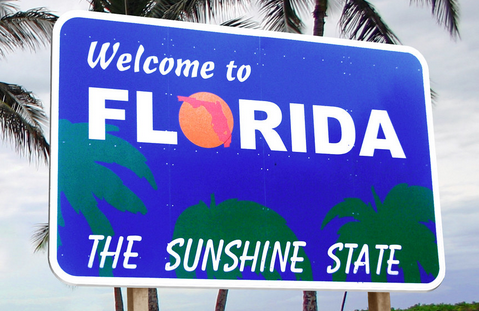
Good News for some of us; Florida is not currently under a formal state of emergency due to the flu pandemic as of today, January 10, 2026.
MUST READS
Driving Toward 2050: The Era of Autonomous, Electric, and AI-Driven Mobility – News Talk Florida
Driving Toward 2050: The Era of Autonomous, Electric, and AI-Driven Mobility – News Talk Florida

Viorica Bruni Content Creator Collective Audience Media