





Greg Bachmann has quickly become a recognizable voice in the world of recovery, wellness, and youth mentorship — not because he followed the typical path, but because he lived the struggle himself. His journey through addiction and rebuilding his life gave him a firsthand understanding of what real healing looks like. That lived experience became the spark that led him to create MindBodyProject, a program centered on accessible, holistic practices designed to help people reconnect with themselves in ways traditional methods often overlook.
Today, Greg’s work reaches far beyond the studio or classroom. Whether he’s speaking to young people, mentoring those who feel lost, or guiding individuals through breathwork and cold exposure sessions, his mission is always the same: to show that recovery is possible, transformation is real, and everyone deserves a chance to rebuild from the inside out. His hands-on approach and commitment to community have made MindBodyProject not just a program — but a movement built on resilience, compassion, and purpose.
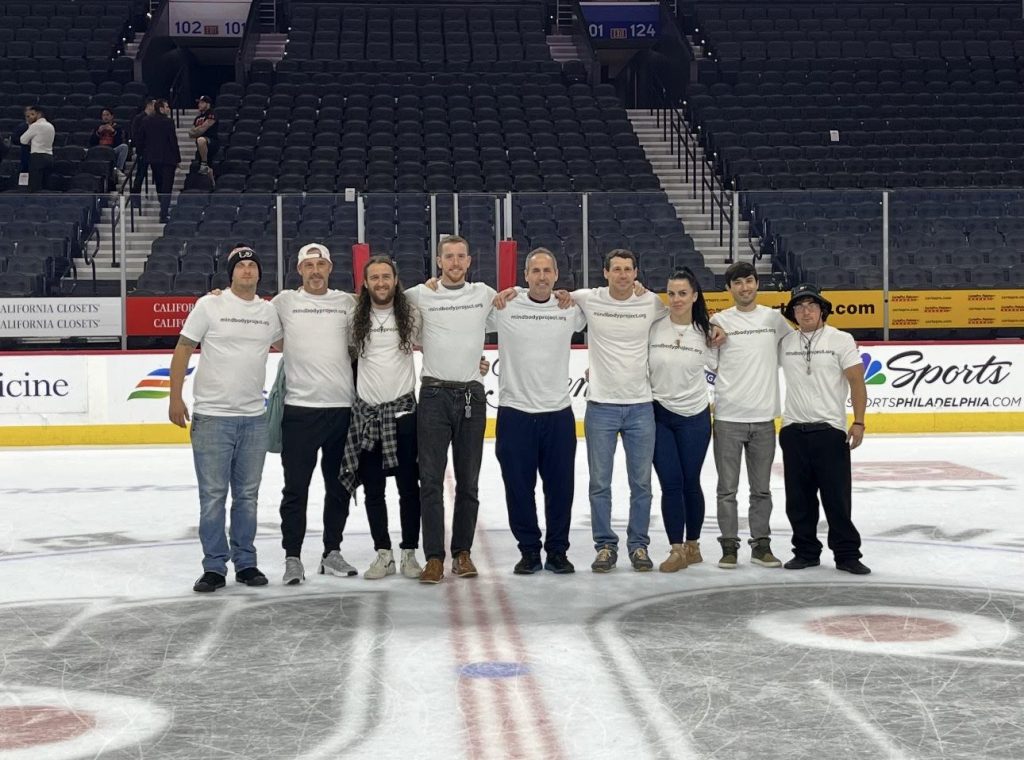
Who is Greg Bachmann?
Greg Bachmann is the founder and driving force behind MindBodyProject. After personal experience with addiction and recovery, he developed a passion for holistic healing and helping others — using alternative approaches beyond traditional therapy or treatment.
In recognition of his commitment, Greg was named a “Pennsylvania Resilient Speaker” for 2023. As part of that role, he travels across the state — visiting youth centers, schools, rehabilitation facilities, and institutions — speaking about trauma, addiction, and how everyday decisions affect our lives.
Besides his public speaking, Greg also works hands-on as a mentor and coach, especially focusing on at-risk youth.
What Is MindBodyProject — Greg’s Approach to Recovery
MindBodyProject is built on the belief that recovery from drug and alcohol abuse doesn’t have to rely solely on traditional medical or 12-step models. Instead, Greg’s philosophy centers on a holistic, mind-body path to healing.
The core practices offered by MindBodyProject include:
- Yoga — to help individuals calm the mind and body, replace negative thought patterns with positive ones, and support emotional well-being.
- Meditation — to train attention and awareness, and develop emotional stability and clarity.
- Breathwork — techniques to use breath as a tool for managing stress, anxiety, and emotional turbulence.
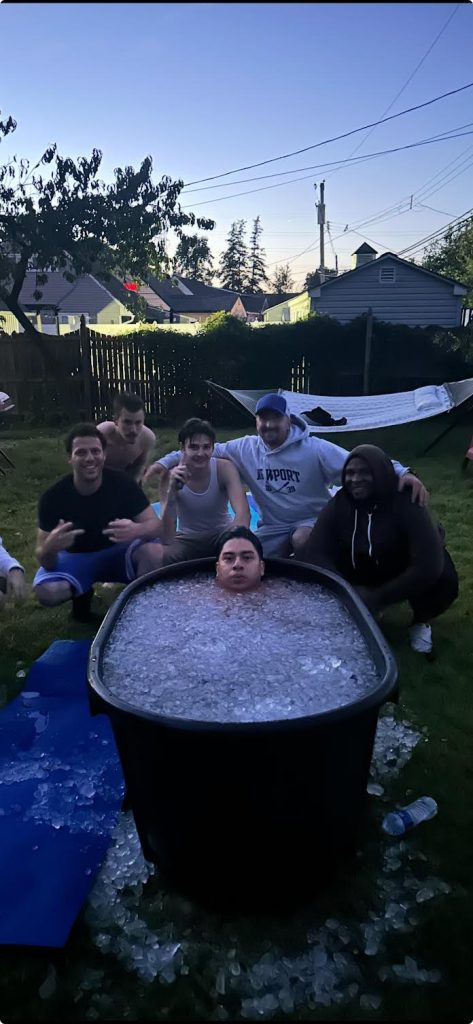
- Ice baths / Cold exposure — which, according to the project, may help with mood, reduce inflammation and stress, and support physical and mental resilience.
Through these practices, MindBodyProject aims to offer structure, positive mental challenges, and the release of healthy “feel-good” biochemistry (like dopamine), creating a path not just to sobriety — but to a more vibrant, balanced life.
Greg Bachmann’s Work: Beyond the Practices
It’s not just about the yoga mats or ice baths — Greg’s work is deeply rooted in community, mentorship, and lived experience:
- He uses his own recovery journey as a foundation to guide and support others, letting people know they are not alone.
- He speaks candidly about trauma, addiction, and choices — tailoring his talks to youth, schools, and rehab centers. This helps destigmatize recovery and opens dialogue about mental health and addiction.
- He mentors at-risk youth and coaches them — offering more than just practices, but also guidance, accountability, and community support.
- Through MindBodyProject’s offerings, he provides people access to free or affordable breath-work and ice bath plunges (or at least invites them to reach out), reducing barriers to entry for those seeking help.
Additionally, Greg serves on the board for an organization referred to as “PAC,” helping foster children or low-income youth, and even coached a local boys’ basketball team — demonstrating his commitment to youth, community, and giving back.
Why This Matters: The Value of a Holistic Recovery Model
What Greg and MindBodyProject offer is more than just abstinence from substances — it’s a whole-person transformation.
- By combining mental, physical, and emotional practices (yoga, meditation, breath, cold exposure), they address stress, trauma, and mental health in ways that traditional recovery models may not.
- For many people in recovery, structure, purpose, and community are as critical as abstinence. MindBodyProject offers a supportive community where individuals can rebuild not just habits, but identity and self-esteem.
- For youth and at-risk individuals particularly, exposure to these practices and mentorship can offer alternative coping mechanisms, and possibly prevent relapse or further harm.
- Through public speaking and outreach, Greg helps raise awareness and reduces stigma around addiction and mental health, opening doors for more honest conversations and support systems.
Challenges & What to Keep In Mind
- While holistic practices like yoga, meditation, breathwork, and cold exposure can be powerful, they may not address all aspects of recovery. Addiction is complex and often involves psychological, social, and medical dimensions. The Mind-Body approach works best as part of a broader support system.
- Recovery is a personal journey — what works for one person might not work for another. What makes Greg’s approach meaningful is that it’s flexible, welcoming, and grounded in lived experience.
- For those who join MindBodyProject, commitment and consistency are likely needed for the benefits to show. The practices are tools — but transformation takes time, effort, and support.
Final Thoughts
Greg Bachmann and MindBodyProject offer a hopeful, compassionate alternative to traditional recovery models. By embracing holistic practices like yoga, meditation, breathwork, and ice baths — and combining them with mentorship, community, and lived experience — they provide a path toward healing that honors body, mind, and soul.
For many in recovery or seeking a fresh start, this can mean more than sobriety. It can mean reclaiming a sense of identity, purpose, resilience, and belonging.