




As a bitter cold snap grips the Sunshine State in early 2026, many Floridians are waking up to frost-covered windshields and a chilling question: How will this winter weather impact the food on our tables?
From the iconic citrus groves of Central Florida to the sprawling vegetable fields in the south, the 2026 winter season is proving to be a high-stakes battle against Mother Nature. Here is everything you need to know about the crop outlook, government relief, and what to expect at the grocery store.
1. What the Deep Freeze Means for Florida Crops
The impact of the 2026 cold snap varies significantly depending on the crop and its location. While some farmers have managed to shield their yields, others are facing a difficult season.
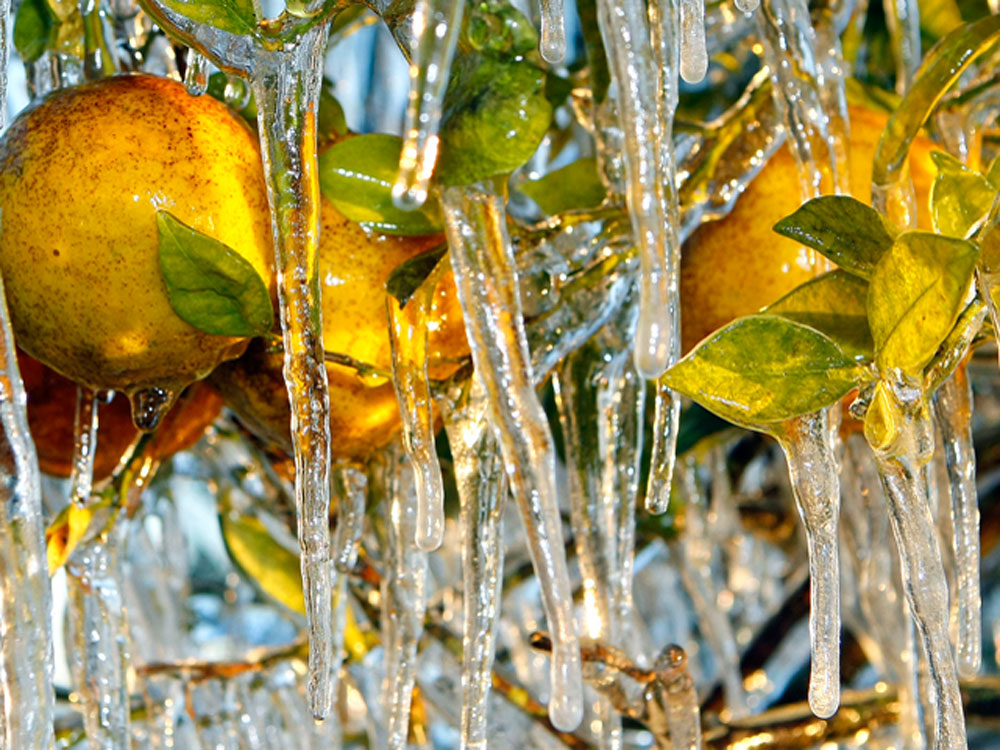
Citrus (Oranges & Grapefruit): Florida’s citrus industry was already struggling with record-low production forecasts (projected at just 12 million boxes for the 2025–2026 season). The current freeze threatens to further damage “Valencia” oranges and grapefruit, which are more susceptible to cold than hardier varieties like mandarins.
Winter Vegetables: Tender crops such as snap beans, sweet corn, squash, and bell peppers have taken the hardest hit. Farmers in southern counties have reported “burned” leaves and bloom drops, which can lead to stunted growth or total field loss.
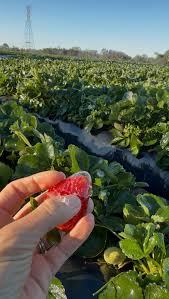
The “Sweet” Exception: Interestingly, Florida strawberries are weathering the storm well. Growers in the West Central region have used “frost protection” (spraying water to create a protective ice layer), and the cooler temperatures actually help increase the fruit’s sweetness and flavor.
2. Governor DeSantis and Disaster Relief: What’s Being Covered?
Governor Ron DeSantis has prioritized agricultural stability in his 2026–2027 “Floridians First” budget. To combat the losses from this winter’s weather and previous natural disasters, several relief avenues are in play:
Agribusiness Recovery Grants: The state continues to manage the Citrus Recovery Block Grant and Rural Infrastructure Funds to help farmers harden their operations against climate volatility.
Federal-State Partnership: Florida is working closely with the USDA to administer the Supplemental Disaster Relief Program (SDRP). This program allows producers to apply for payments for crop, tree, and vine losses through April 30, 2026.
SBA Low-Interest Loans: For small agricultural cooperatives and nurseries hit by the recent economic downturn, federal disaster loans are available with interest rates as low as 4% to help cover working capital.
3. Grocery Store Outlook: What to Expect at the Checkout
For Americans across the country, the Florida freeze will likely translate to “sticker shock” in the produce aisle over the next few months.

Price Spikes: Expect prices for green beans, tomatoes, and peppers to remain high or even double in some regions. Supply chain experts predict a 50% reduction in volume for certain Florida vegetables through February.
Quality & Scarcity: You may notice “fruit scarring” on some items or smaller-than-average oranges. Additionally, expect to see more imported produce from Mexico as retailers scramble to fill the gaps left by Florida’s damaged fields.
Shortened Shelf Life: Some leafy greens and tender vegetables harvested during the cold snap may have a shorter shelf life than usual, so be sure to use them quickly once they hit your fridge.
GOD Allows Weather Patterns For A Reason, But He Always Provides!
While the 2026 winter has been a challenge for the Florida agricultural industry, the resilience of local farmers and the availability of state-backed relief programs offer a path toward recovery. For consumers, the best strategy is to buy in-season hardy fruits (like strawberries) and prepare for a temporary rise in vegetable prices.
MUST READS
Dale Mabry campus emerges as leading Rays stadium site
Florida Becomes Second State To Break American Bar Chokehold On Law Schools – News Talk Florida

Viorica Bruni Content Creator News Talk Florida