






The Sunshine State’s real estate narrative is rapidly shifting. It is transitioning from the frenetic seller’s market of the post-pandemic era to a period of greater equilibrium. As we enter December 2025, the Florida housing market presents a mixed but increasingly buyer-friendly landscape, a trend poised to accelerate through 2026.
Savvy buyers and sellers must understand the interplay of rising inventory, stabilizing prices, and the persistent challenge of high homeownership costs.
That’s a great approach! You are right that the market is showing signs of shifting.
Based on recent data (mostly from October/November 2025 and projections for 2026), the Tampa, Florida metro area is generally considered a balanced market with a current slight lean toward buyer-friendly conditions. It particularly compared to the frenzied pace of previous years. Some sources even describe Tampa as tilting toward a buyer’s market.
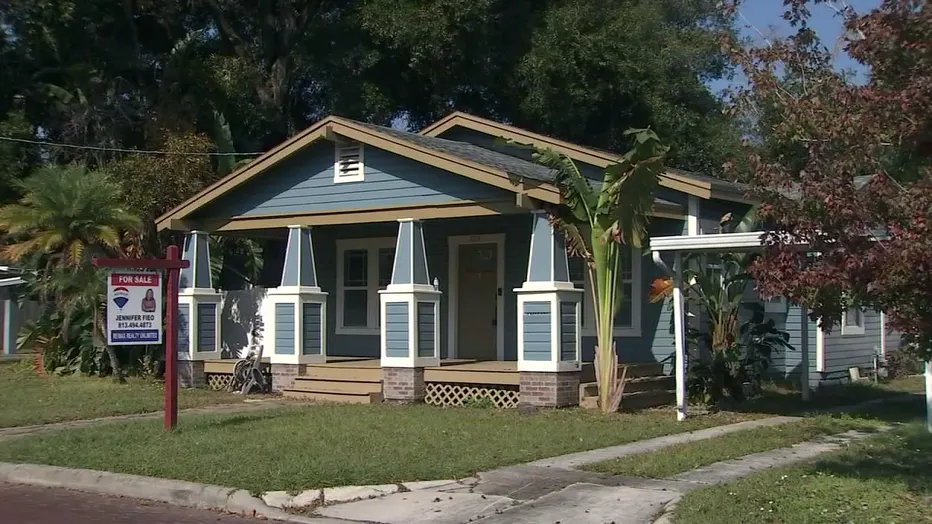
🏠 Market Snapshot: Tampa, FL (Late 2025
Median Sale Price is $377,983 – $425,000 (Varies by source/area, data as of Sept-Dec 2025) | Prices stabilizing/declining slightly.
Inventory is Rising significantly (4.8 – 6 months of supply in Tampa Bay, which is the key threshold for a balanced/buyer’s market). This brings more options for buyers.
Days on Market (DOM) currently 41 – 45 days (Up significantly from previous years). Buyers have more time to conduct due diligence and negotiate.
Tampa Bay is now Leaning Buyer-Friendly which means Increased negotiation power for buyers.
Price Reductions is becoming more common (One source noted ~32% of listings seeing a reduction). Sellers are now adjusting expectations.
What This Means for a Buyer’s Market Strategy:
* Increased Leverage: The rise in inventory and longer Days on Market (DOM) gives buyers more negotiating power and the ability to ask for seller concessions (e.g., closing cost credits, rate buydowns).
* Price Sensitivity: Home values are generally stabilizing or seeing slight declines in the Tampa area, and a significant percentage of sellers are already reducing their list price.
* Geographic Variation: The shift isn’t uniform. Highly desirable areas like South Tampa, Hyde Park, and Westchase still maintain a seller’s edge, while suburbs and areas with high new construction (like Riverview or Brandon) are more favorable to buyers.

December 2025: The Buyer’s Window Opens Wider
As 2025 closes, the Florida market is defined by a significant increase in available homes. This surge in inventory, fueled by new construction and a correction from peak demand, is the key driver of the current market shift.
* Slowing Price Growth/Stabilization: The days of double-digit annual appreciation are largely over. Across Florida’s major metros, median sales prices are stabilizing, and in some areas—particularly along the Gulf Coast—they have already seen slight dips.
* Buyer Takeaway: You have time to shop without fear of rapid escalation.
* Longer Days on Market (DOM): Homes are spending more time on the market. In late 2025, the median DOM has noticeably lengthened, a clear sign that buyers are being more selective.
* Seller Takeaway: Accurate pricing and excellent staging are now non-negotiable.
* Negotiation Power Shifts: The balance of power is moving toward the buyer. Expect better success with contingencies, repair requests, and price negotiations, a stark contrast to the bidding wars of the past.
* The Insurance Hurdle: The soaring cost of homeowners insurance remains a major factor, potentially offsetting any affordability gains from flat or falling prices. This cost is making homes, especially older ones and those in coastal areas, less attractive to traditional buyers.
2026 Housing Market Forecast: Balance and Affordability Gains
The year 2026 is widely projected to be a period of normalization and a gradual “Great Housing Reset” for Florida, with improved, though still modest, affordability for buyers.

📊 Price and Inventory Expectations
* Price Correction Continues in Coastal Pockets: While national forecasts anticipate modest price gains, Florida is expected to diverge. Projections for Florida’s largest metro areas suggest an average price slide of around 1.9% in 2026.The Gulf Coast markets (e.g., Cape Coral, North Port) will potentially see more pronounced declines. Miami may be an outlier with slight positive growth.
* Inventory Approaches Normal Levels: New construction, particularly of single-family homes, is helping to satisfy demand. Inventory is expected to continue rising, offering a healthy and balanced 4-to-6-month supply in many areas.
* Mortgage Rates Ease Slightly: While a return to 3% rates is unlikely, the average 30-year fixed mortgage rate is anticipated to drift into the high 5% to low 6% range in 2026. This modest easing will be enough to lure more hesitant buyers back into the market and boost transaction volume.
🤝 What This Means for Buyers and Sellers
Buyers have Increased Leverage: More choices, better negotiating room, and fewer bidding wars. Potential for true buyer’s markets in certain metro areas. | Focus on areas with high inventory/price dips; carefully budget for high insurance and HOA costs.
Sellers will see a Competitive Market: Must price strategically and offer updated, well-maintained homes. The best properties will still sell quickly. Sellers should partner with agents for aggressive pricing and marketing; consider offering incentives (e.g., closing cost credits, rate buydowns).
Investors will continue to see Long-Term Appeal: Florida remains attractive due to population growth. Rental demand is expected to remain steady, though cash flow will require careful underwriting due to insurance costs. There will be cash-flow positive properties with an emphasis on prioritizing new-builds with hurricane mitigation features.

⚠️ The Insurance and Affordability Wildcard
The primary headwind for the Florida housing market in 2026 will be homeowners insurance and ancillary costs. Even with stabilizing home prices, high premiums—driven by reinsurance costs, litigation, and climate risk—will continue to strain affordability for many Floridians. This will likely keep demand subdued compared to pre-correction levels, preventing a rapid return to an overheated seller’s market.
Conclusion: A Balanced Future for Florida Real Estate
The Florida housing market in December 2025 and throughout 2026 is poised for a period of balanced recovery. The power dynamic is shifting, offering a welcome respite for prospective homeowners. While coastal price dips and high insurance costs will be the defining challenges, the overall environment is trending toward a sustainable market with more opportunities for well-informed buyers.
MUST READS
The Tampa Bay Rays will be home for 2026 season

Viorica Bruni Content Creator Collective Audience Media